Specialist postnatal care
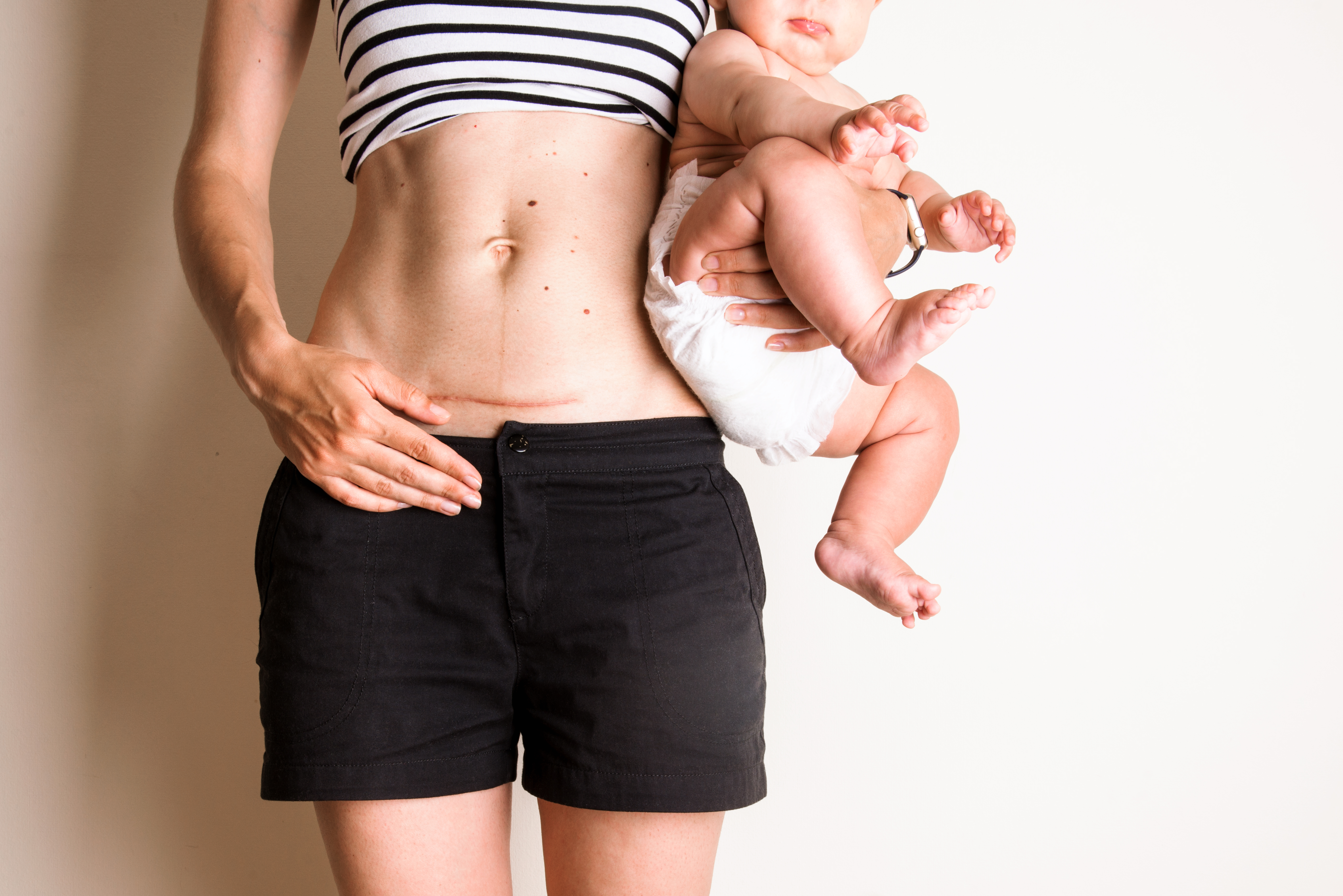
Whether you've had a straightforward birth or a C-section, whether you're six weeks postnatal or six years — if something doesn't feel quite right in your body, it's worth looking at. Some of what women quietly accept as normal after birth may be worth exploring further.
Pregnancy and birth can change your body structurally. The way you carried your baby, the way you gave birth, the way you've been moving since — all of it can leave patterns in the body. Sometimes those patterns resolve on their own. Sometimes they don't, and they show up as something you've filed under "this is just what having a baby does to you."
It might be a core that never quite came back. A back that's been off since the birth. A scar that feels numb, tight, or pulling in a way you weren't expecting. An overhang you don't know what to do with. A pelvic floor that doesn't feel like yours anymore.
A C-section is major abdominal surgery. Multiple layers of tissue are opened and closed, and the body heals each of them in its own way. What happens at the scar can influence the pelvic floor, abdominal muscles, posture and movement — often in ways that aren't immediately obvious.
The C-section MOT looks at all of it: the scar itself, the surrounding tissues, the pelvic floor, the diastasis, and the structural picture underneath. We will assess what's happening and what may be contributing — and put together a plan that's specific to you.
You gave birth. Your body went through something significant — and most women are surprised by how much there is to look at properly once someone actually does.
The Mummy MOT is a thorough postnatal assessment. Antonietta looks at your pelvic floor, your abdominal muscles, your posture and the structural picture overall — how your body is organised now, any patterns of compensation that may be present, and what may benefit from attention.
It doesn't matter how long ago you gave birth. Women come to us at six weeks and at six years. The body holds patterns for a long time, and it's never too late to look at them properly.
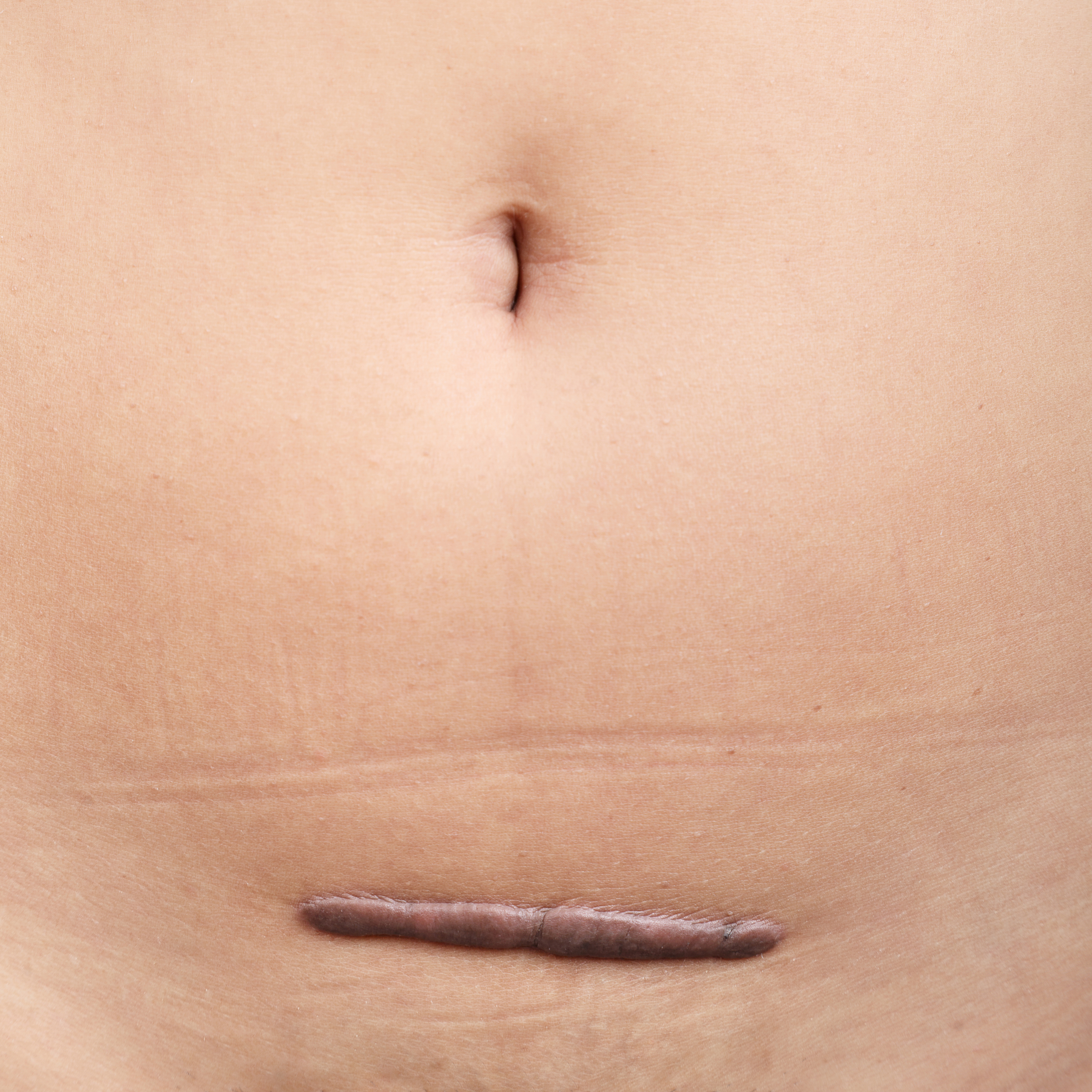
One of the most common things women come in with is uncertainty about their scar. It might look raised or flat, smooth in places and bumpy in others. It might feel numb, or hypersensitive, or it might be pulling in a way that doesn't seem connected to anything obvious. There may be an overhang they don't know what to do with. And almost always, the same question: am I supposed to be doing something with this?
In some cases, specific support can be helpful — but what you do, and how you do it, depends entirely on the type of scar you have.
Not all scars are the same. A fine-line scar, a hypertrophic scar and a keloid scar all behave differently — and the technique that helps one can aggravate another. Rubbing a scar vigorously when it isn't ready can make things worse rather than better. This is why an assessment comes before anything else.
Scar therapy is often approached in phases — working with the surrounding tissues, supporting movement, and helping the body adapt to the scar over time. A second phase may work more directly with the scar itself, looking at appearance and sensation once the foundations are in place.
The overhang — the pouch that many women notice above or below the scar — can be linked to factors such as fascial restriction, scar tethering or diastasis recti. Understanding what may be contributing is the starting point for looking at it. Antonietta will assess this as part of your appointment.
At our Berkhamsted clinic, Antonietta offers photobiomodulation — also known as low-level laser therapy or PBMT — as part of her work with postnatal recovery and scar therapy. It is non-invasive and painless.
It may be used as part of your appointment where appropriate — no referral needed, no additional cost, no separate booking.
Experiences shared by patients are individual and outcomes can vary. We assess each person individually and do not make claims about outcomes.
"I would truly recommend Antonietta to anyone with a new baby! She is so lovely with the babies, and is so calm and reassuring for a sleep deprived anxious parent! My baby was always so relaxed after a treatment and I was able to carry it on at home."
April 2025"Antonietta was wonderfully professional and extremely gentle working with our baby daughter. Her appointments have helped both her and myself overcome some difficulties after birth. I couldn't recommend her enough."
October 2023Before you arrive
You'll receive a history form covering your pregnancy, birth and how you've been feeling since. The more detail you can give, the better.
We listen first
You'll tell us what's brought you in, in your own words. There's no rush. Your birth experience matters to understanding what your body is doing now.
A thorough assessment
We look at your scar, your abdominal muscles, your pelvic floor and your posture. Everything is explained as we go. Nothing happens without your understanding and agreement.
Your scar, specifically
If scar therapy is part of what you're coming for, we will assess the type of scar you have and what the surrounding tissues are doing before deciding on the right approach. There is no one-size-fits-all technique.
A plan that's yours
You'll leave with a clear picture of what we've found and what we suggest. If photobiomodulation may be useful and you're at Berkhamsted, we'll discuss whether that's worth considering as part of your plan.
Book when you're ready. Or WhatsApp us first if you'd like a steer on whether an appointment makes sense for where you are right now.
Osteopathy is a complementary therapy and not a substitute for medical diagnosis or treatment. If you have concerns about your health, please consult your GP or other qualified healthcare professional.