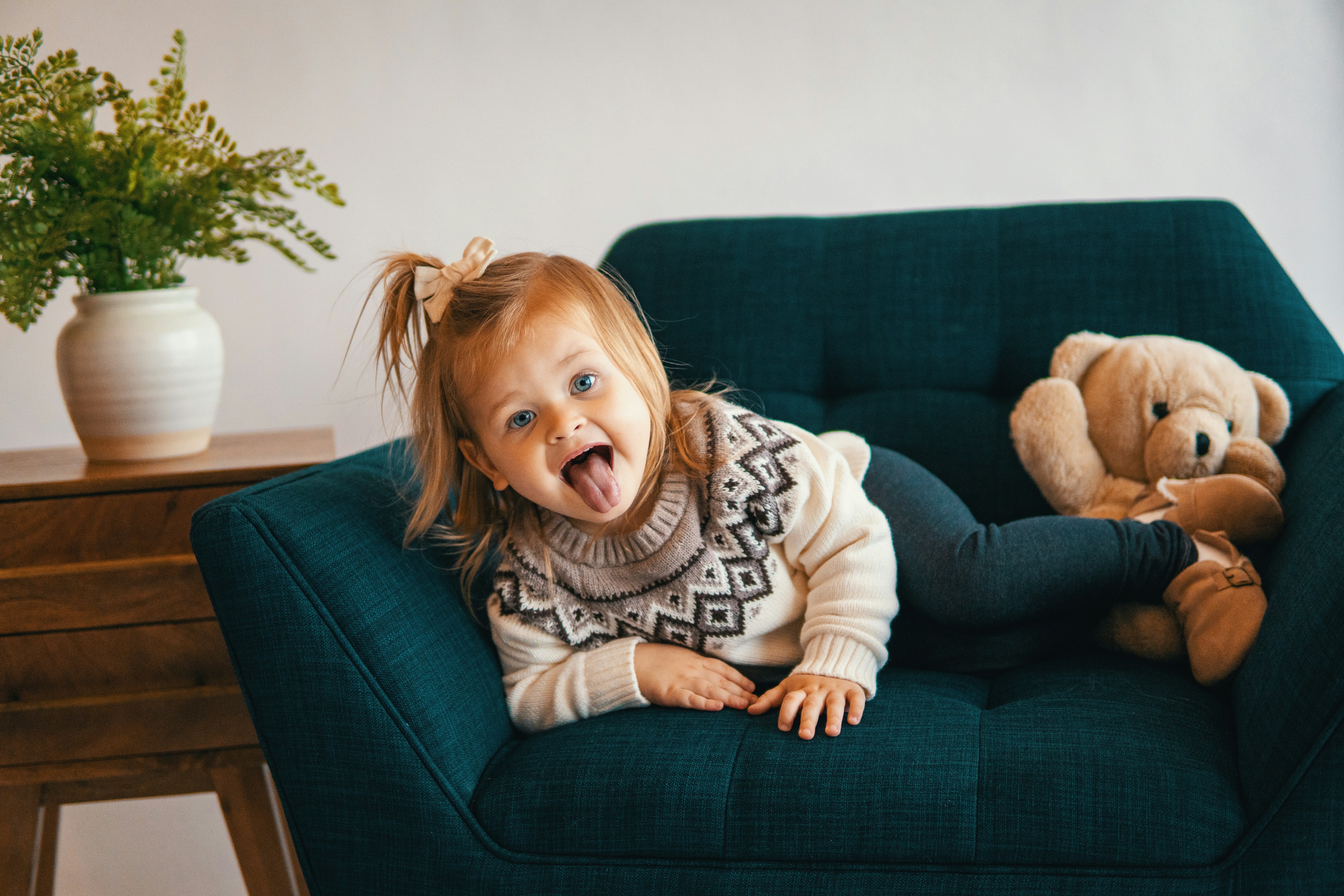
Maybe you've Googled your way here. Maybe someone has sent you — a referral in hand, not entirely sure why. Either way, you're in the right place to explore this further.
Children carry patterns. Things that began in pregnancy or at birth — a tension, a restriction, a reflex that may not have fully integrated — that the body worked around quietly, without anyone necessarily noticing.
For a while, that works. Sometimes something begins to show up. A movement that doesn't look balanced. A milestone that wasn't quite hit in the usual way. A speech or airway difficulty that hasn't fully resolved yet. A sports injury that keeps coming back.
We look at the structural picture underneath — and whether there's something that may be worth exploring further.
Where other professionals are already involved, we work alongside them. Where we're the first port of call, we'll help you understand what we find and point you in the right direction if someone else needs to be part of the picture too.
The following describes reasons families come to see us. We look at what may be contributing — every child is assessed individually and we don't make claims about outcomes.
A head tilt noted early on. A preference for one side that was monitored but never quite resolved. A child who skipped crawling, or who moved through their milestones but with something slightly asymmetrical that has stayed in the background.
Sometimes it's harder to name than that — something that doesn't look or feel quite right, without a clear label attached to it. That instinct is usually worth exploring.
Early reflexes that may not have fully integrated as the nervous system matures may be associated with differences in coordination, posture and ease of movement in ways that become more visible as children get older. We look at what may have persisted from the early months and whether there's something in the developmental picture worth exploring further.
Postural concerns, growing pains, sports injuries that haven't quite resolved — these are things families bring to us regularly. We look at how the body is moving and loading, and what may be contributing from a structural perspective.
For injuries that may benefit from additional support, low-level laser therapy is available at our Berkhamsted clinic as part of a broader approach to recovery.
You've been seen by the right person for your child's speech or oral-motor concern — and they've suggested that the broader structural picture may also be worth looking at.
We assess the global pattern from the ground up — where tensions may be sitting, what the body has been compensating for, and how the structural picture relates to the oral-motor work already underway.
We do not make claims to help with speech, airway or tongue-tie related conditions. We look at the broader structural picture and correspond routinely with the professionals already involved in your child's care to make sure what we do fits into the broader plan.
Jaw development, palate shape and bite can be influenced by posture, breathing patterns, tongue position and the broader structural picture — from the pelvis upwards. If your dentist or orthodontist has suggested seeing us, it's usually because they've identified that the structural foundations may be relevant to what they're working on.
We look at the full picture and correspond with your dental team as a matter of course.
Some families come to us via a referral, already mid-way through a wider care plan. Others arrive because something doesn't feel right and they're not sure who else to ask. Both are exactly the right reason to come.
Where other professionals are involved, we work as part of that wider network — corresponding routinely, sharing what we find, and making sure what we do fits into the broader picture. If you have a referral letter, please share it with us before your appointment. We'll have read it before you arrive.
Before you arrive
We'll send a history form covering pregnancy, birth, early development and anything relevant since. Please share any referral letters at this point — we want to have read them before you walk in.
We listen first
You'll tell us what's brought you in, in your own words. Your child's story from the beginning helps us understand the pattern we're looking at.
We involve your child
Older children are part of the conversation. We explain what we're doing, we don't rush, and nothing happens without your child feeling comfortable.
Hands-on assessment
Gentle. We're looking at how the body is organised, where tensions may be sitting, and what the structural picture tells us.
We talk it through
Everything we find is explained clearly. If we feel we're a good fit to support you, we'll explain how. If we're not the right fit, we'll say that too — and we'll point you somewhere that is.
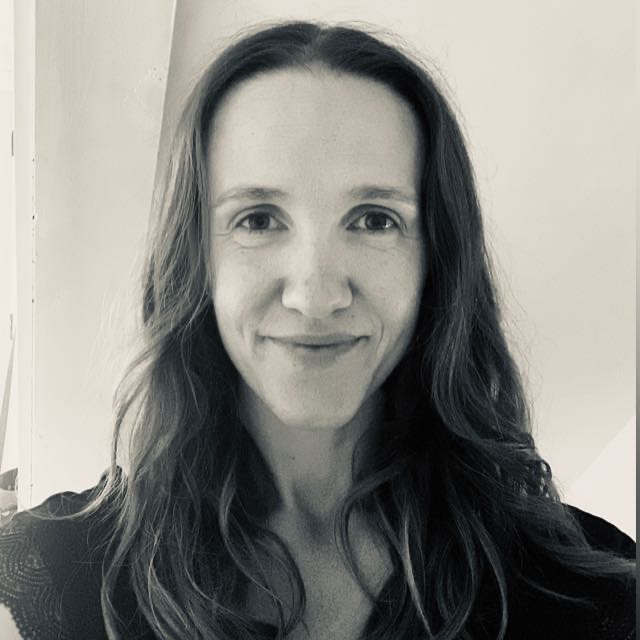
Felicity sees children across all three clinics and has a particular interest in feeding, plagiocephaly and reflex integration — exploring how early developmental patterns may still be influencing the picture as children grow. She leads the Complex Feeding Clinic at Princes Risborough.
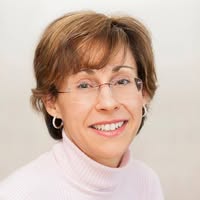
Antonietta brings a carefully combined cranial and structural approach to every session, working with children of all ages at Berkhamsted and Princes Risborough. She takes time to understand each child as an individual, moving at their pace and always explaining what she finds in plain language.
Book when you're ready. Or WhatsApp us first if you'd like a steer on whether an appointment makes sense for your child right now.
Osteopathy is a complementary therapy and not a substitute for medical diagnosis or treatment. If you have concerns about your child's health, please consult your GP or relevant healthcare professional.